
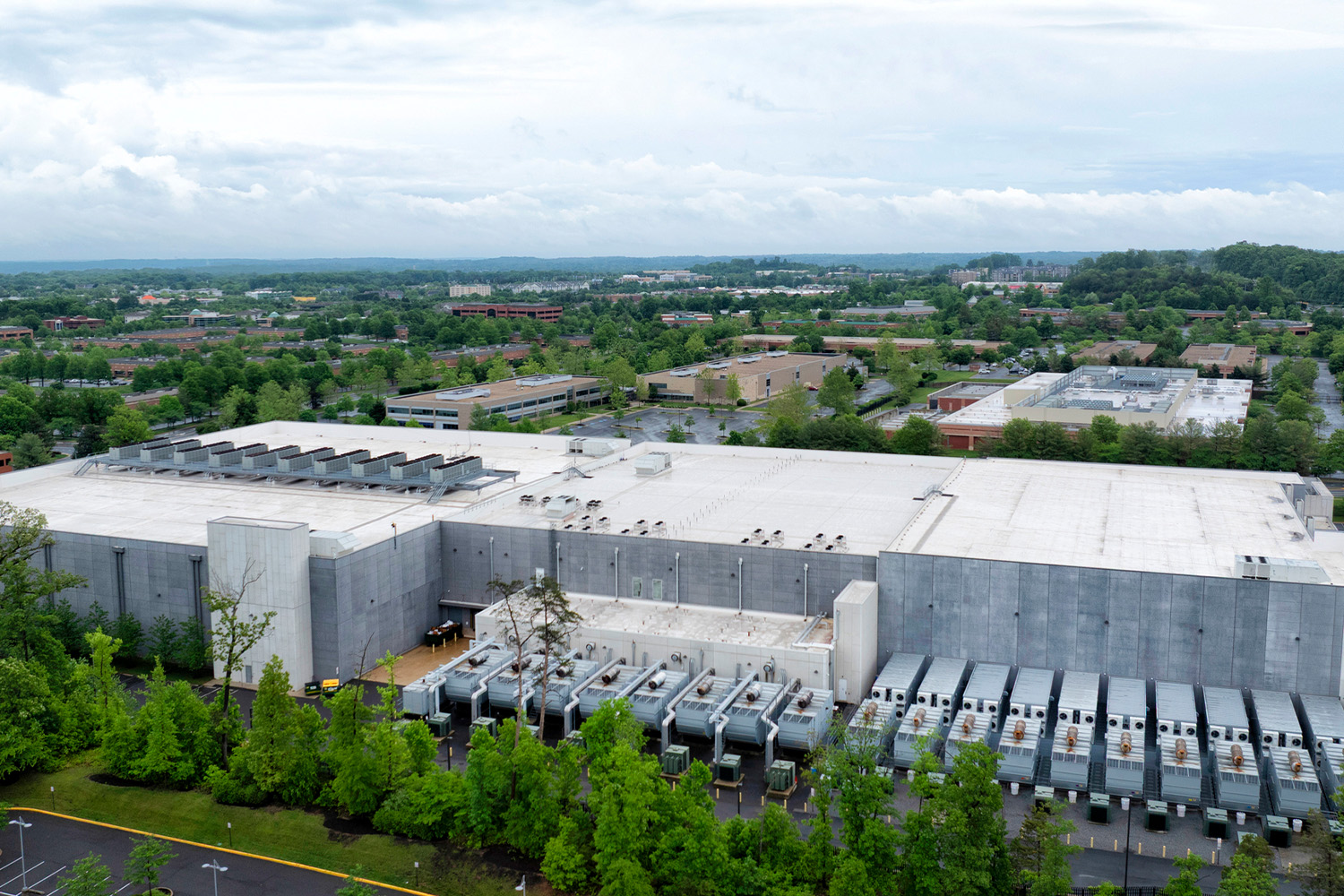
Data Center Roofing in McAllen, TX
McAllen, Texas occupies a singular position in North American data infrastructure. The Rio Grande Valley serves as the primary crossing point for cross-border US-Mexico data connectivity, with fiber networks bundling telecommunications traffic between two of the hemisphere's largest economies. The McAllen Economic Development Corporation has actively cultivated this position, attracting regional telecom operators, colocation facilities, and the IT support infrastructure that serves the maquiladora manufacturing sector stretching along the border. Rio Grande Valley telecom hubs in McAllen process voice, data, and video traffic that supports both sides of the international border, making building envelope reliability a matter of binational operational consequence. For commercial roofing contractors in this market, understanding the unique demands of facilities at the junction of extreme climate and critical infrastructure is essential.
McAllen's climate is dominated by intense solar radiation and high temperatures. The city averages over 230 days per year with temperatures above 80°F and frequently sustains periods above 100°F during summer months. A dark conventional roofing membrane in McAllen can reach surface temperatures of 170–190°F, dramatically increasing the cooling load on any HVAC or mechanical cooling system beneath it. For data centers, which must maintain tight temperature and humidity tolerances year-round, this radiant heat gain is a direct operating cost driver. Specifying cool roof membranes with solar reflectance index values above 78 — the Energy Star threshold — is not merely an environmental preference in McAllen; it is an economic necessity.
The border data infrastructure sector in McAllen faces a roofing challenge unique to the region: facilities must often maintain operations through Category 1 and occasionally Category 2 tropical weather events as Gulf of Mexico storm systems track inland through the Rio Grande Valley. Wind uplift engineering for McAllen data centers should be designed to ASCE 7 standards for the South Texas wind zone, which specifies higher design wind pressures than most of the continental US. Roofing systems must use enhanced fastening patterns at perimeter and corner zones, and any penetrations or mechanical equipment curbs must be designed to resist wind-driven rain infiltration during sustained high-wind events.
The maquiladora sector along the McAllen-Reynosa corridor generates significant IT infrastructure demand on the US side of the border. Manufacturing operations in Reynosa require ERP systems, supply chain management platforms, and communications infrastructure that is largely hosted in McAllen facilities to leverage US legal and regulatory frameworks while serving Mexican production operations. These facilities operate around the clock with minimal tolerance for downtime, and their roofing specifications reflect the operational continuity requirements of manufacturing clients who cannot pause production lines waiting for server environments to recover from a building envelope failure.
Humidity management is a year-round concern in McAllen's subtropical climate. The Rio Grande Valley sees dew points frequently exceeding 75°F during summer months — among the highest in the continental US — creating conditions where moisture can infiltrate roofing assemblies through vapor diffusion and condense within insulation layers. Roofing systems for McAllen data centers must incorporate vapor retarder specifications that account for the direction of vapor drive, which in South Texas typically pushes inward from the hot, humid exterior rather than outward as in northern climates. This reversal of the vapor drive direction requires different placement of vapor control layers compared to standard cold-climate roofing assemblies.
TPO single-ply roofing is well established in the South Texas market, but the intense UV environment accelerates membrane degradation on systems with lower-quality formulations. Specifying a 60 mil or 80 mil TPO membrane rather than the minimum 45 mil provides meaningful additional service life in McAllen's UV-intense conditions. EPDM, while less common in this climate due to its lower reflectivity, can be a viable choice on older facilities where the thermal mass of the existing assembly provides some buffering benefit. Modified bitumen systems remain common on older commercial buildings throughout McAllen and, when properly maintained, can provide reliable service, though their dark surfaces require coating with reflective elastomeric products to manage solar heat gain.
The cross-border nature of McAllen's data infrastructure creates a security-conscious design environment that affects roofing project execution. Many facilities handling cross-border telecommunications and financial data operate under security protocols that require background checks for on-site workers, escort requirements for contractor personnel, and documentation of all materials brought onto the site. Commercial roofing contractors seeking to work in this market must be prepared to operate within these security frameworks, which can affect project scheduling and crew management in ways that are unfamiliar to contractors from other sectors.
The McAllen Economic Development Corporation's investment in technology infrastructure has accelerated over the past decade, attracting data-intensive businesses that benefit from proximity to Mexico's manufacturing and business centers while operating under US regulatory frameworks. This growth is creating demand for commercial roofing services that can support both new construction and the expansion or re-roofing of existing facilities as operational requirements evolve. Contractors who have established relationships with the telecommunications and colocation operators in this market are well positioned to capture project flow as the sector continues to expand.
Energy codes in Texas have progressively tightened requirements for commercial roofing systems, and McAllen falls under a climate zone classification that mandates cool roof performance for new low-slope commercial construction above certain square footage thresholds. Data center operators who are constructing new facilities or performing substantial re-roofing work need to ensure their roofing specifications comply with the current Texas edition of the IECC, which may also trigger air barrier requirements that affect how the roofing system integrates with wall assemblies at the perimeter of the building.
Preventive maintenance for McAllen data center roofs must address the specific degradation patterns of a subtropical UV-intense environment. Annual inspections should assess membrane surface for chalking, checking, or cracking that indicates UV degradation; seam integrity should be verified using probe testing or electronic leak detection. Drainage systems must be inspected after each heavy rain event, as McAllen's intense but infrequent rainfall can overwhelm drainage systems designed for average conditions. Flash flooding from sudden storms is common in the Rio Grande Valley, and roof drainage engineering should account for peak rainfall intensity rates, not just average annual values.
Frequently Asked Questions: Data Center Roofing in McAllen, TX
What we document
For Data Center Roofing, we record field photos, roof observations, moisture concerns, access assumptions, excluded conditions, and the owner decision that moves the work forward.
Next step
Call 956-302-5444 when Data Center Roofing needs a roof walk, repair path, budget opinion, or written scope for a McAllen commercial property.