
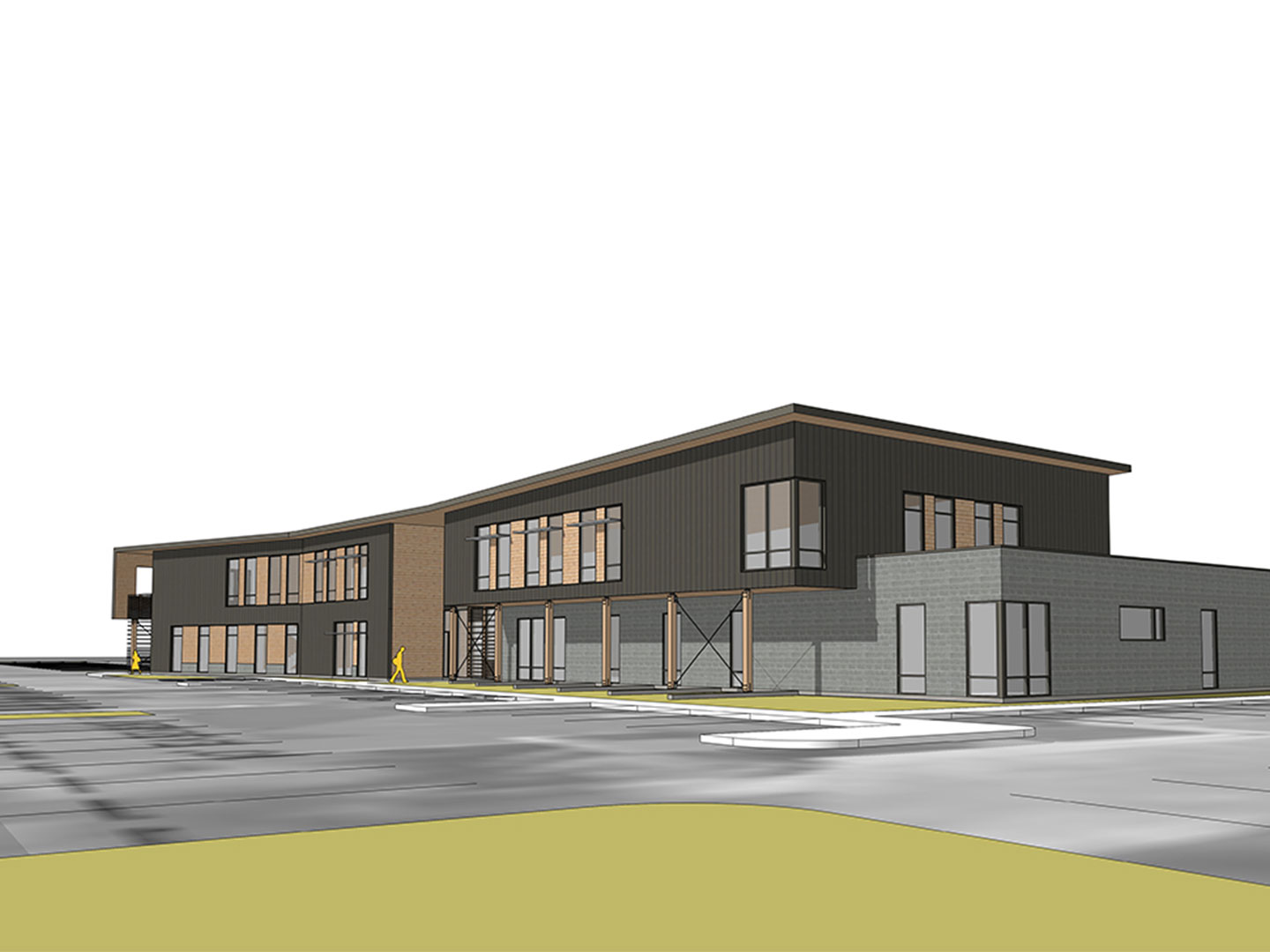
Healthcare Facility Roofing in McAllen, TX
Healthcare Facility Roofing in McAllen, TX
McAllen sits at the heart of the Rio Grande Valley, one of the most densely populated and economically dynamic regions along the Texas-Mexico border. The Valley's healthcare market is shaped by cross-border medical tourism — patients from Mexico seek specialty procedures in McAllen and Edinburg in significant numbers — combined with the healthcare demands of the fastest-growing metropolitan area in Texas. South Texas Health System, with its network including McAllen Medical Center, Edinburg Regional Medical Center, and Women's Hospital at Renaissance, anchors acute care capacity alongside Doctors Hospital at Renaissance, which has grown into one of the largest physician-owned hospitals in the country. The concentration of specialty surgical volume at Renaissance and the expansion of ambulatory surgery and medical office development throughout the McAllen metro creates a healthcare real estate market that requires commercial roofing expertise calibrated to both clinical standards and South Texas's extreme climate.
The Rio Grande Valley's subtropical climate imposes roofing stresses that would challenge systems in most other markets. Summer temperatures in McAllen regularly exceed 100 degrees Fahrenheit, and rooftop surface temperatures on dark membranes can approach 190 degrees, among the highest in the continental United States. The absolute humidity that rolls in from the Gulf of Mexico keeps moisture levels high even during the dry winter months, and the combination of heat, UV intensity, and persistent humidity accelerates membrane degradation faster than either factor alone would predict. The Valley also sits within South Texas's active hurricane corridor — Brownsville and Corpus Christi both serve as landfall reference points for systems that regularly bring tropical storm or hurricane conditions to McAllen with minimal warning time for preparation.
Hurricane and tropical storm preparedness is a non-negotiable operational reality for healthcare facilities in McAllen. The Rio Grande Valley has been directly affected by multiple named storms over the past two decades, and facilities like McAllen Medical Center and Doctors Hospital at Renaissance maintain emergency operations centers that activate when tropical systems approach the Gulf Coast. Roofing systems at these facilities must not only perform during normal conditions but must also withstand the wind speeds and rainfall rates that tropical storms deliver. Pre-season inspections, typically conducted in April before the June 1 official hurricane season start, verify that membrane attachment meets the wind uplift requirements appropriate for South Texas's wind exposure zone and that all perimeter and penetration details can withstand sustained winds without failure.
The medical tourism dimension of McAllen's healthcare economy adds a distinctive element to facility management priorities at the major hospitals. Patients traveling from Mexico for elective surgical procedures — orthopedics, cardiovascular procedures, bariatric surgery — arrive with expectations about facility quality that are shaped by their understanding of US standards relative to their home country options. A ceiling stain above a patient room, a musty odor suggesting prior water intrusion, or any visible evidence of roofing system inadequacy can erode the confidence that drives this discretionary patient volume. Facility appearance and the operational competence it signals are direct commercial assets at McAllen's medical tourism-serving institutions, making proactive roofing maintenance a revenue protection strategy as well as a clinical safety measure.
Infection control requirements at McAllen's Joint Commission-accredited hospitals follow the same ICRA framework as facilities in any other U.S. market, but the execution challenges are shaped by South Texas's heat. Contractors working on occupied hospital rooftops in McAllen during the summer months face rooftop surface temperatures that are dangerous for workers and that limit the productive work window to early morning hours. Scheduling roofing work on occupied healthcare buildings in the Valley requires planning that accounts for heat stress management — mandatory break schedules, heat monitoring protocols, and accelerated work windows before temperatures become dangerous — in addition to the clinical access and infection control coordination that all healthcare roofing projects require.
Medical office development in McAllen's healthcare district, centered around the Renaissance Hospital campus and extending along Trenton Road and Nolana Avenue, has accelerated as specialist physicians establish practices to serve both the local population and the cross-border patient flow. These buildings frequently house surgical specialty practices with in-office procedure capabilities that require the same penetration details and drainage standards as larger ambulatory surgery centers. The owners of medical office buildings in this corridor have found that investing in high-quality roofing systems from initial construction or major renovation pays dividends through reduced maintenance costs and the ability to attract and retain high-volume specialist tenants who have facility quality expectations informed by the hospital campuses where they also practice.
Flat roofing drainage performance is particularly critical in McAllen given the Valley's rainfall patterns. While average annual precipitation is only about 22 inches, the Rio Grande Valley is subject to intense rainfall events associated with both tropical systems and the frontal activity that affects South Texas in fall and winter. A 2021 storm event deposited over 6 inches of rainfall across McAllen in a 12-hour period, and the drainage inadequacy revealed on multiple commercial properties during that event drove a significant wave of drainage system upgrades across the local commercial roofing market. Healthcare facilities that had not maintained their internal drainage systems experienced ponding loads that stressed roofing assemblies not designed for extended standing water.
Assisted living and skilled nursing facilities in McAllen and the surrounding communities — including Edinburg, Pharr, and Mission — operate within Texas Health and Human Services Commission oversight that includes physical plant condition as a licensure component. HHSC surveyors look specifically for evidence of water intrusion, ceiling damage, and environmental conditions that could affect resident health. The hot, humid climate that McAllen endures also creates a biological growth risk on roofing surfaces that, if not managed through periodic treatment, can contribute to the dark streaking and deterioration that accelerates membrane aging. Annual biocide treatments combined with drainage system cleaning form the minimum maintenance program that South Texas healthcare roofs require.
Contractors serving McAllen's healthcare roofing market should hold active Texas commercial roofing contractor registration, carry the insurance levels appropriate for hospital campus work, and be able to demonstrate project references from recognized healthcare facilities in South Texas. The combination of the Valley's extreme climate, the cross-border patient population that these facilities serve, and the operational demands of healthcare roofing work make local market experience particularly valuable here. A contractor who has worked on Renaissance Hospital's campus, McAllen Medical Center, or the medical office buildings along the Trenton Road corridor brings site-specific knowledge that shortens project timelines and reduces the coordination friction that unfamiliar contractors create at every hospital campus.
What we document
For Healthcare Facility Roofing, we record field photos, roof observations, moisture concerns, access assumptions, excluded conditions, and the owner decision that moves the work forward.
Next step
Call 956-302-5444 when Healthcare Facility Roofing needs a roof walk, repair path, budget opinion, or written scope for a McAllen commercial property.