
Retail and Shopping Center Roofing in McAllen, TX
Retail and Shopping Center Roofing in McAllen, TX
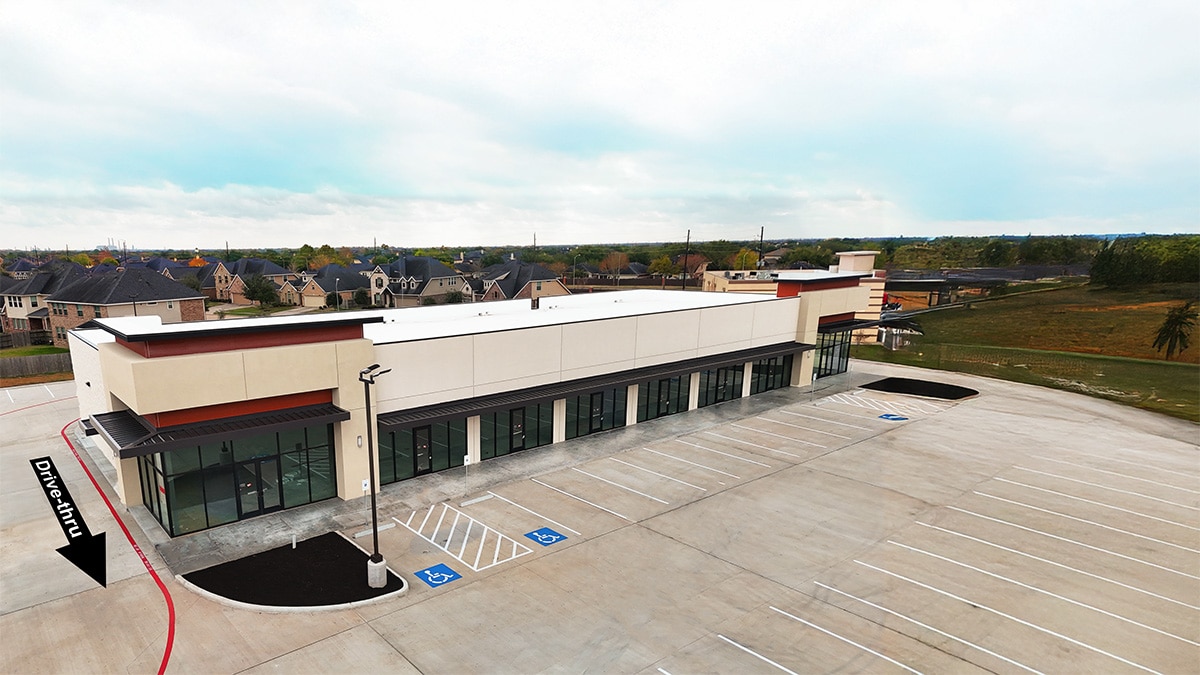
McAllen occupies a unique position in Texas retail geography: headlined by the Rio Grande Valley's most concentrated retail district, drawing shoppers from across the border as well as from a sprawling regional trade area, and hosting some of the highest retail sales per capita figures in the state. The core of this retail density runs along Expressway 83 and extends through the La Plaza Mall area, the Palms Crossing development, and the dense strip corridors along Nolana Avenue and 23rd Street. This retail intensity translates to enormous flat roofing square footage—anchor stores, grocery plazas, strip centers, and power centers all requiring flat and low-slope systems that can survive in one of the most demanding thermal environments in the country.
McAllen's climate is defined by extremes that push roofing systems to their limits. Summer temperatures routinely exceed 100 degrees Fahrenheit, and the subtropical humidity of the Lower Rio Grande Valley means that moisture is a year-round concern rather than a seasonal one. UV radiation at this latitude is intense, and standard roofing membranes that aren't formulated for high-UV South Texas conditions can show premature surface degradation. White TPO membranes with UV-stabilized formulations are the dominant specification for McAllen commercial retail roofing, reflecting enough solar radiation to keep deck temperatures manageable and reduce cooling loads for the retailers who depend on effective air conditioning to drive customer dwell time in their stores.
HVAC penetrations are present at extraordinary density on McAllen retail rooftops because of the extreme cooling loads the climate demands. Large anchor stores—grocery chains, department stores, and the big-box retailers that populate the Expressway 83 corridor—run multiple large rooftop units continuously during the summer months, with condensate production that must be carefully managed. Inadequate condensate drainage creates persistent moisture problems around equipment curbs, accelerating flashing deterioration and creating the conditions for moss and algae growth on membrane surfaces near curb bases. A McAllen commercial roofing contractor experienced in high-humidity South Texas environments will specify condensate routing as a deliberate design element rather than an afterthought.
The cross-border shopper base that defines McAllen's retail economy creates pressure on retail property owners to maintain exceptional building appearance and function. When a customer has crossed the border specifically to shop in a well-appointed American retail environment, building deficiencies—water stains on ceilings, mold at wall corners from roof leaks, doors that stick due to moisture damage—create an outsized negative impression that affects return visit frequency. Retail landlords along Nolana Avenue and in the dense corridor south of the expressway compete directly for the same shopper dollars, and building condition is a meaningful competitive variable. A professionally maintained roofing system that prevents interior moisture intrusion protects the customer experience that McAllen retail depends on.
Tropical storm and hurricane exposure is a roofing design reality for McAllen retail properties that distinguishes the Lower Rio Grande Valley from most other Texas markets. While McAllen is 70 miles from the Gulf Coast, tropical systems that make landfall near Brownsville or Corpus Christi regularly deliver high winds, intense rainfall, and occasionally tropical storm-force gusts to the Rio Grande Valley. Wind uplift resistance specifications for McAllen retail roofing must meet the wind speed design requirements of the Texas wind zone that includes Hidalgo County. On older retail properties that predate current wind zone requirements, a re-roofing project is the appropriate time to upgrade attachment systems to meet current standards.
Flat roof drainage in McAllen must handle both routine rainfall and the intense precipitation that tropical weather systems deliver. The standard rainfall design event used in most national roofing specifications may be significantly exceeded during a tropical storm, making overflow scupper sizing and placement a critical design element for McAllen retail rooftops. Interior drains and scuppers that are adequate for standard rainfall events can be overwhelmed when a tropical system sits over the region and deposits rainfall at rates exceeding an inch per hour. Verifying that both primary drain capacity and overflow capacity are adequate for the McAllen extreme rainfall scenario should be part of every re-roofing design review.
The retail real estate development pace in McAllen has been notable, with new strip centers and lifestyle retail projects continuing to develop along the growing northern and western edges of the city. New construction projects have the advantage of specifying current-generation roofing systems from the ground up, but they also present the challenge of coordinating roofing installation with the aggressive schedules that national tenant grand opening commitments impose. Roofing is on the critical path for new retail construction—the building cannot be enclosed and interior work cannot proceed until the roof is complete—and delays to roofing installation cascade across the entire construction schedule. McAllen retail developers who establish their commercial roofing contractor relationships early in the project timeline and maintain close coordination through the installation phase protect their opening date commitments.
PVC roofing systems are specified on a portion of McAllen's retail inventory, particularly for properties with food-service tenant concentrations. The restaurant density along McAllen's primary dining corridors and the food court anchor configurations in La Plaza Mall and surrounding retail create rooftop environments where cooking exhaust and grease loading would degrade standard TPO membranes. PVC's chemical resistance to organic solvents and cooking-related compounds makes it the durable choice for these applications. The cost premium over TPO is justified by extended service life in high-exhaust environments, and in a market with McAllen's retail intensity, minimizing re-roofing frequency reduces disruption to continuously operating retail environments.
McAllen retail property owners benefit from working with commercial roofing contractors who understand the unique combination of climate, code, and operational demands specific to the Lower Rio Grande Valley. The mix of tropical storm wind code requirements, high-UV membrane specifications, subtropical humidity management, and cross-border consumer expectations creates a roofing context that requires genuine local expertise. Contractors who can provide manufacturer-authorized warranty documentation, references from other McAllen retail properties, and a demonstrated track record with Texas windstorm code compliance give landlords the foundation for confident investment in their roofing systems.
What we document
For Retail and Shopping Center Roofing, we record field photos, roof observations, moisture concerns, access assumptions, excluded conditions, and the owner decision that moves the work forward.
Next step
Call 956-302-5444 when Retail and Shopping Center Roofing needs a roof walk, repair path, budget opinion, or written scope for a McAllen commercial property.